
Wine Tasting in Puglia: A Guide by Wine Region, With Real Bike Distances
By Eugenio TommasiUpdated 20 August 2026 8 min read
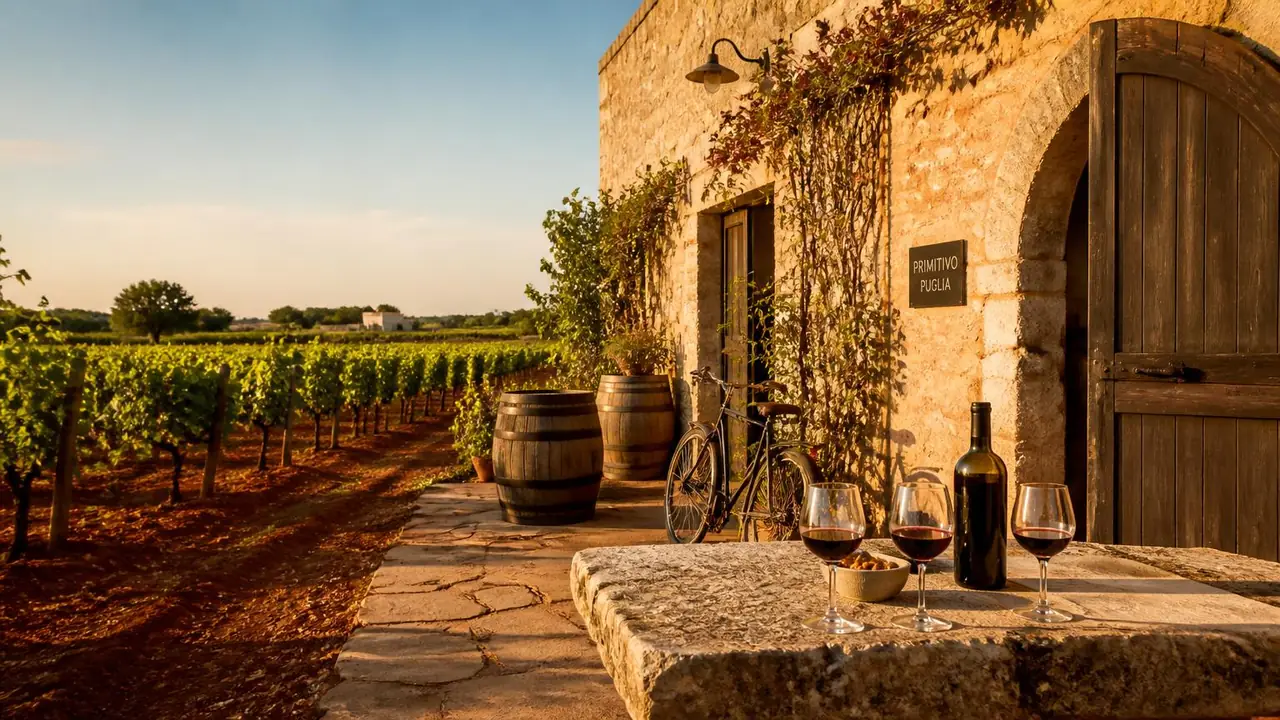
Key facts
- Main wine areas
- Valle d'Itria (Locorotondo DOC, white), Salento (Negroamaro, incl. Salice Salentino DOC), Manduria (Primitivo di Manduria DOC), Ostuni (Ostuni DOC, red)
- Harvest (vendemmia)
- Primitivo: last third of August; Negroamaro: September into October
- Best time for tastings
- Cellars generally open year-round; April-June and September-October are the most comfortable months for combining a tasting with cycling — though June and September already average highs of 29.5°C and 27.7°C at Lecce, so start early in those two
- Indicative tasting cost
- Varies by producer and format — ask us or the cantina directly for current pricing
- Getting around
- Car for most areas; Salice Salentino is the one wine area close enough to our Lecce base for a genuine bike day
- Distance from Lecce
- Salice Salentino ~20.2 km (12.6 mi) one way by direct bike route · Manduria ~50 km (31 mi) · Ostuni 77 km (48 mi) · Locorotondo 104 km (65 mi) · Alberobello 110 km (68 mi)
Valle d'Itria: Locorotondo DOC
- Denomination: Locorotondo DOC, recognised in 1973 and produced across the entire comuni of Locorotondo and Cisternino plus part of Fasano, per the official production rules published by Regione Puglia.
- What you drink: A dry, pale straw-yellow white, blended from at least 50% Verdeca and at least 35% Bianco d'Alessano — both native to the area — with up to 15% other authorised white varieties.
Why it's worth it
Light and mineral, built for local white-meat and seafood cooking rather than long ageing — it rarely travels far outside the region.
Getting there by bike
Locorotondo is 104 km (65 miles) from Lecce, Alberobello a further 9 km (5.6 miles) beyond it — a drive, with cycling once you're there, not a ride out from Lecce.
Practical
Among the known producers in the DOC zone are I Pastini, between Locorotondo and Martina Franca, and Upal Cantina Sociale Cisternino, a cooperative winery in Cisternino — both list a Locorotondo DOC white on their own site. Cellars and wine bars in Locorotondo's old town also pour it by the glass; days, formats and tasting prices vary by producer, so confirm when you book. See our Locorotondo and Alberobello guides for what else to see nearby.
Riding this route on one of our bikes? Start from our bike rental in Puglia — delivery, sizes and prices are all there.
Salento: Negroamaro country
- Denomination: Negroamaro is the defining red grape of the whole Salento peninsula, widely sold as Salento IGP, and it also underpins the stricter Salice Salentino DOC — covering Salice Salentino, Veglie, Guagnano and part of Campi Salentina in Lecce province, plus San Pancrazio Salentino, Sandonaci and part of Cellino San Marco in Brindisi province, per the official production rules published by Regione Puglia.
- What you drink: Salice Salentino DOC rosso and rosato without a named variety require at least 75% Negroamaro, with up to 25% other authorised black grapes; wines labelled with Negroamaro as a named grape require at least 90%, with up to 10% others.
Why it's worth it
the closest wine country to Lecce, and the grape most identified with Salento specifically, rather than Puglia as a whole.
Getting there by bike
about 20.2 km (12.6 miles) one way by a direct route — closer to 28 km (17 miles) once you add a stop or two at cantine along the way — see Wine tasting by bike below for why this is the one area we treat as a genuine cycling day out.
Practical
Among the wineries listed by the Consorzio di Tutela Vini DOC Salice Salentino are Leone de Castris and Candido, both long-established producers in the DOC zone. Tasting formats and prices vary by cellar, so confirm when you book directly.
Manduria: Primitivo di Manduria DOC
- Denomination: Primitivo di Manduria DOC, recognised in 1976, covering Manduria and 14 further comuni in Taranto province, plus Erchie, Oria and Torre Santa Susanna in Brindisi province, per the official production rules published by the Consorzio di Tutela and the Regione Puglia denomination record.
- What you drink: A minimum of 85% Primitivo grapes, with up to 15% other local non-aromatic black grapes. Primitivo is genetically related to Zinfandel and ripens early — typically picked by hand in the last third of August, per Coldiretti's 2025 harvest data reported by regional press.
Why it's worth it
Primitivo is the Puglia wine best known outside Italy, and Manduria is its home denomination rather than a generic regional label.
Getting there by bike
around 50 km (31 miles) from Lecce, about 48 minutes by car — outside a comfortable round trip by bike from Lecce in a single day.
Practical
Among the wineries listed as members of the Consorzio di Tutela del Primitivo di Manduria are Cantine San Marzano and Varvaglione 1921, both established Primitivo di Manduria producers. Tasting formats and prices vary by cellar, so confirm when you book.
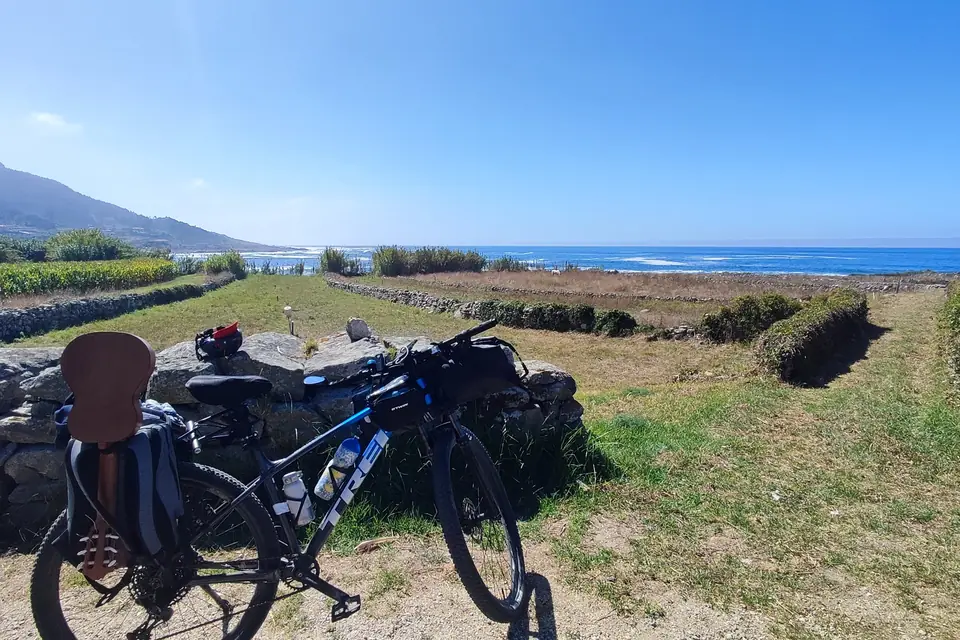
Ostuni: wine and olive oil country
- Denomination: Ostuni DOC, recognised in 1973 and covering the comuni of Ostuni, Carovigno, San Vito dei Normanni and San Michele Salentino, plus part of Latiano and Ceglie Messapica, all in Brindisi province — a separate denomination from Valle d'Itria's Locorotondo DOC further inland. It covers both Ostuni Bianco and Ostuni Ottavianello (also labelled Ottavianello di Ostuni), a dry wine ranging from cerasuolo to light ruby red, made from at least 85% Ottavianello grapes, per the official production rules published by Regione Puglia.
- What you drink: Ottavianello for the red; the Bianco is built on Impigno (50-85%) and Francavilla (15-50%), two white grapes barely grown outside this corner of Puglia.
Why it's worth it
Ostuni's countryside is also some of Puglia's most productive olive oil land — the same groves that make the whitewashed old town visible from a distance. Some masserie combine olive oil tastings with wine — worth asking about locally or when you book, since formats and prices vary from one masseria to the next.
Getting there by bike
Ostuni's old town is 77 km (48 miles) from Lecce. See our Ostuni guide for a real bike route from the old town to the coast.
Practical
Among the producers making Ostuni DOC today are Agricole Vallone, with its Flaminio Ottavianello, and Tenute Rubino, which grows Ottavianello in its Ostuni vineyard for the Lamo label. Wine bars in Ostuni's old town also pour local producers by the glass; venues and tasting prices vary, so ask us or the cellar directly for current details.
Wine tasting by bike
The only wine area close enough to ride from our Lecce base in a single day is Salice Salentino. A direct route plotted with OpenStreetMap routing comes to about 20.2 km (12.6 miles) one way — around 40.4 km (25.1 miles) round trip. In practice it's often longer: adding a stop or two at cantine along the way, rather than riding straight through, is closer to the 28 km (17 miles) each way you'll see quoted elsewhere for this stretch — long enough either way to plan as a full day out rather than a quick afternoon loop once you add time for a tasting.
The countryside between Lecce and Salice Salentino is flat, part of the same low-traffic Salento landscape covered in our cycling in Puglia guide, on secondary roads through vineyards and olive groves rather than busier state roads. The 20.2 km figure above comes from routing software rather than a track we've ridden and logged ourselves, and the same goes for elevation on this specific stretch — treat it as a planning estimate rather than a gradient we've measured ourselves. Check locally before setting off with a group on narrow tyres.
Manduria, Valle d'Itria and Ostuni sit outside a comfortable round trip by bike from Lecce. The realistic way to combine them with cycling is to drive to the town itself, then ride locally once there, as covered in our Locorotondo, Alberobello and Ostuni guides linked above.
Do a wine and bike day — request a guided tour. Tell us which wine area and your dates, and we'll confirm what's realistic on a bike versus what needs a car connection first. Rent a road or gravel bike for flat asphalt like the Lecce-Salice Salentino stretch, or take an e-bike if you'd rather not feel the return leg after a tasting.
FAQ
Do I need to book wine tastings in advance in Puglia? Generally yes. Most small producers require a booking rather than accepting walk-ins, especially outside peak season. We don't have a confirmed list of wineries with current booking details, so check directly with the cellar, or ask your accommodation, before travelling.
Can you visit wineries by bike? Yes, for the one area close enough to ride comfortably from our Lecce base — Salice Salentino, about 20.2 km away by direct route (closer to 28 km with a stop or two en route), a realistic day ride out and back. Manduria, Valle d'Itria and Ostuni are better reached by car, with cycling once you're there. See Wine tasting by bike.
Is wine tasting available for groups in Puglia? Group tastings are common at larger producers, but capacity, pricing and format vary by cellar, so ask us or the winery directly for current details. For a day combining cycling with a winery stop, request a guided tour (see above) and tell us your group size.
What's the best time of year for a wine and bike day in Puglia? April-June and September-October give the mildest cycling weather. April, May and October are the most comfortable of those: at Lecce, June and September average highs of 29.5°C (85.1°F) and 27.7°C (81.9°F), so an early start matters in both. September-October also overlaps with the Negroamaro harvest, and late August with the Primitivo harvest, if seeing the vendemmia itself matters to you. See our guide to the best time to visit Puglia for the month-by-month figures.
Which Puglia wine region is closest to Lecce? Salice Salentino, around 20.2 km (12.6 miles) from our base in Lecce by a direct bike route, is the nearest of the areas covered here — close enough to ride out and back in a day. Manduria is about 50 km (31 miles) away; Valle d'Itria and Ostuni are 77-110 km away.
Is wine tasting in Puglia suitable for families or non-drinkers? Most cellars welcome children and can offer a non-alcoholic option or a food-only visit, but formats vary by producer and this isn't something we can confirm without a specific cellar in mind. Ask when booking.
Is there wine tasting near Bari? Bari's own wine area is Castel del Monte DOC, inland around Andria and the Alta Murgia, known for the red grape Nero di Troia — a different region from the four covered above. It's outside where we operate from Lecce; see day trips from Bari for what's realistic without a car.
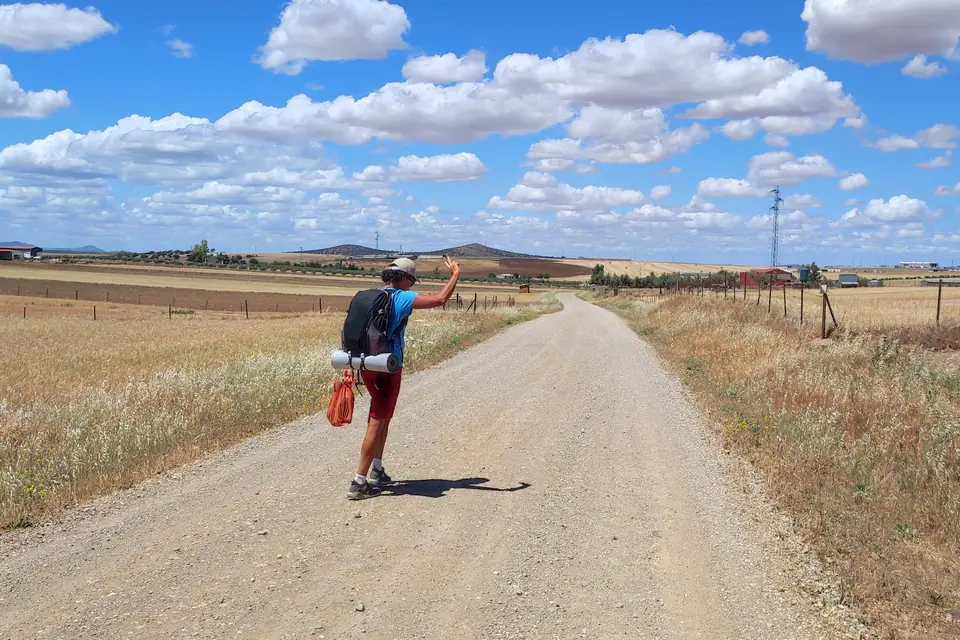
Do a wine and bike day — request a guided tour. Tell us which wine area interests you and your dates, and we'll build a day around it — cycling where the distance genuinely allows it, a car connection where it doesn't, and a road, gravel or e-bike matched to the terrain. We're based at Via Francesco Ribezzo 2D, Lecce — open 24/7, phone +39 320 4864478.